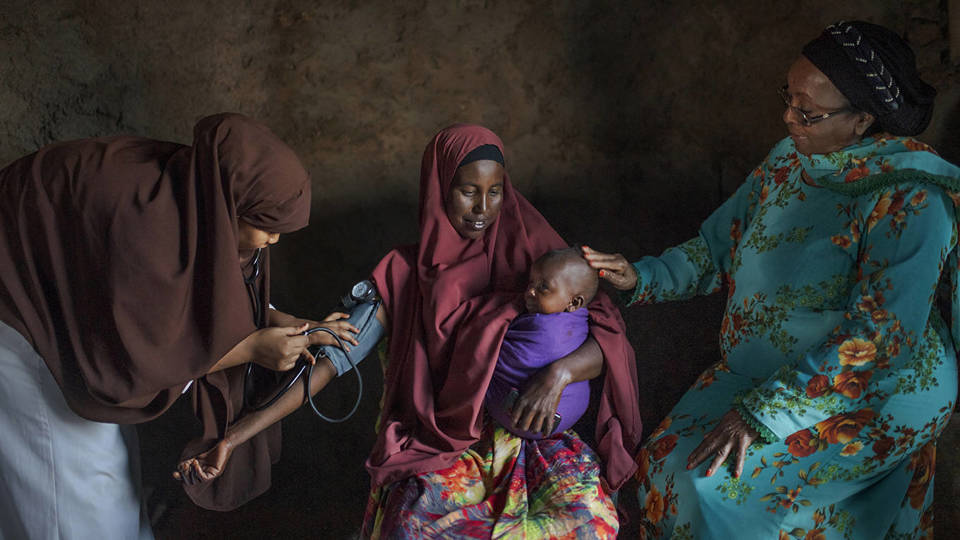
As foreign aid declines, policymakers in lower-income countries face a stark choice: continue with business-as-usual or pivot to cost-effective, proven interventions that save lives. Maternal mortality remains a stubborn crisis, with postpartum hemorrhage, pre-eclampsia, and obstructed labor claiming hundreds of thousands of lives annually—most of which are preventable. Project Syndicate research suggests that simple, low-tech solutions already exist. A $1 dose of misoprostol can prevent postpartum bleeding; low-dose aspirin can ward off pre-eclampsia; and manual techniques can resolve obstructed labor without expensive surgery. The challenge is not a lack of tools but a lack of prioritization. Health systems in developing nations often waste resources on high-cost, low-impact interventions while neglecting these affordable alternatives. With aid budgets shrinking, the economic case for these solutions is compelling: every dollar spent on maternal health yields significant returns in productivity and community stability. But time is running out. Without urgent action, the progress made in recent decades could reverse. It's time for governments and international donors to shift focus from grandiose projects to simple, scalable interventions that work. The lives of millions of women depend on it.
Low-Cost Solutions Can Slash Maternal Mortality: A Call for Smarter Spending in Developing Nations
With foreign aid declining, lower-income countries must prioritize low-cost, proven interventions like misoprostol and aspirin to prevent maternal deaths. These simple solutions can dramatically reduce mortality from postpartum hemorrhage, pre-eclampsia, and obstructed labor if health systems reallocate resources wisely.