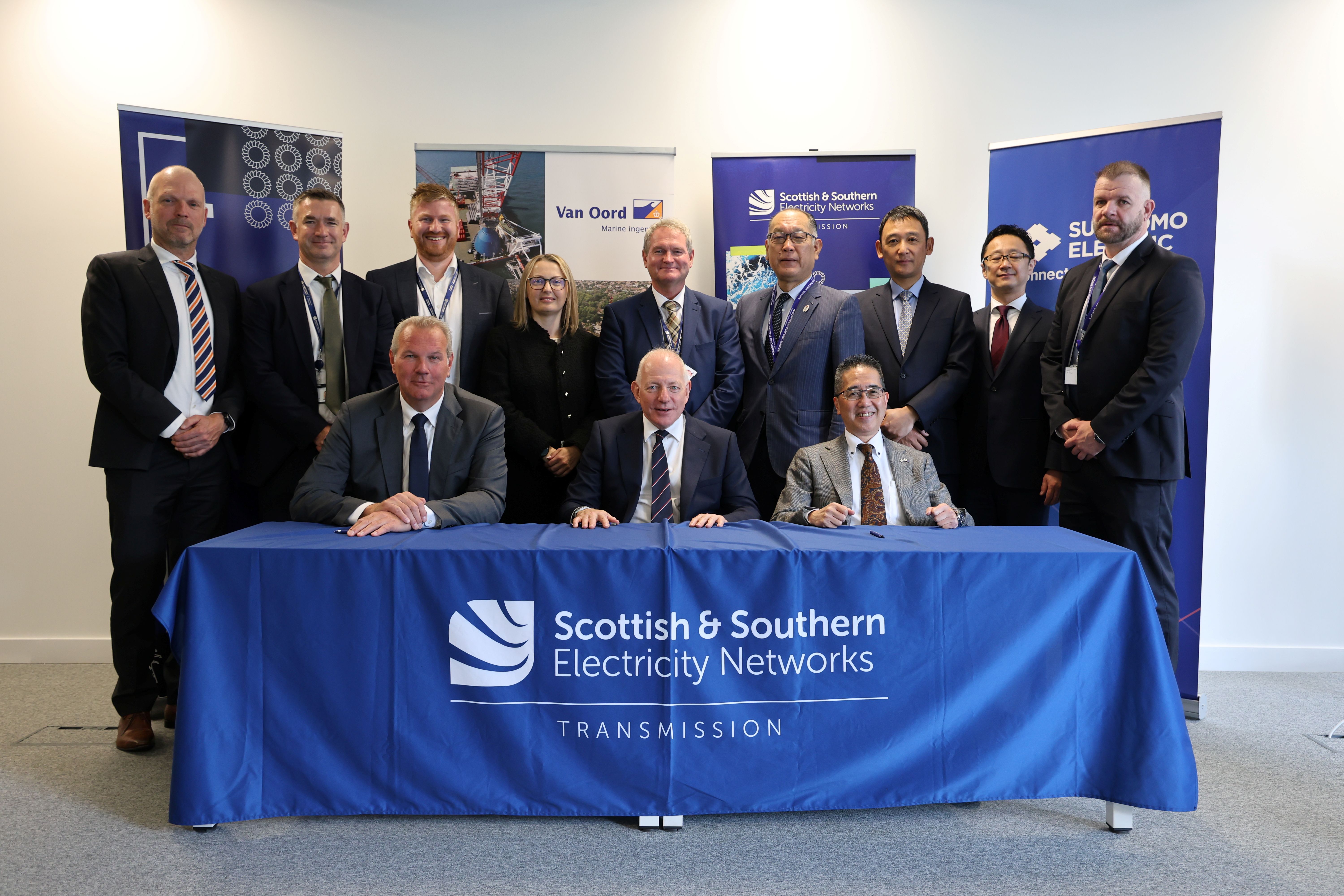
The North Sea’s wind energy potential is a cornerstone of Europe’s energy transition. But harnessing it requires a robust transmission network that can handle massive power flows over long distances. Scotland’s transmission system operator, SSEN Transmission, has taken a decisive step by signing a long-term framework agreement for high-voltage direct current (HVDC) technology. This is not just a procurement contract; it’s a strategic move to de-risk offshore wind investments and accelerate the rollout of subsea cables. As a recent Offshore Energy analysis found, HVDC technology is critical for minimizing energy losses and integrating large-scale renewable generation into the grid. The agreement covers a 20-year period, providing the supply chain with the certainty needed to invest in manufacturing capacity and innovation. This is particularly important as the UK aims to reach 50 GW of offshore wind by 2030, a target that demands unprecedented infrastructure development. For Scotland, which hosts some of Europe’s best wind resources, this deal is a vote of confidence in its role as a clean energy powerhouse. But the implications go beyond national borders. By locking in long-term commitments, SSEN Transmission is setting a precedent for how grid operators can manage the transition efficiently. Other countries eyeing offshore wind expansion should take note: without long-term planning, the risk of bottlenecks and cost overruns increases. This agreement shows that with the right framework, the energy transition can be both ambitious and achievable.
Scotland’s 20-Year HVDC Deal: A Blueprint for Offshore Grid Expansion
SSEN Transmission’s 20-year HVDC framework agreement secures supply chain stability for Scotland’s offshore wind expansion. This strategic move underscores the importance of long-term planning in achieving renewable energy targets.