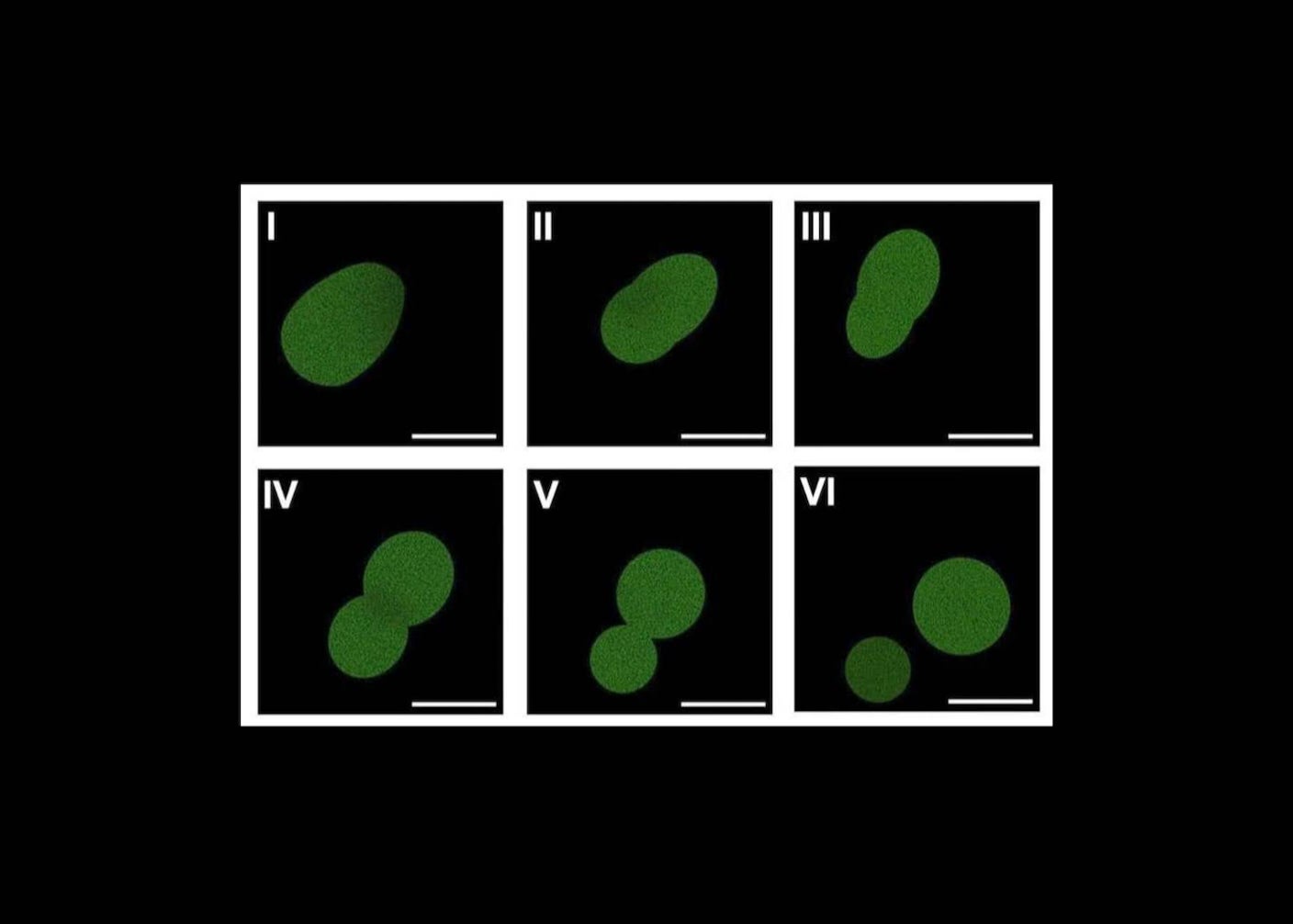
Scientists have created a synthetic cell that mimics key life processes—growing, copying its DNA, and producing offspring—but stops short of being classified as 'alive.' As reported by Singularity Hub, this artificial cell, dubbed SpudCell, represents a major leap toward synthetic biology's ultimate goal: building life from scratch. Yet the researchers are careful to note that it lacks the full complexity of natural life. For a security analyst, this breakthrough raises pressing questions. Could such synthetic organisms be weaponized? The dual-use nature of this technology is alarming. On one hand, it promises revolutionary applications in medicine, environmental cleanup, and bio-manufacturing. On the other, it opens Pandora's box of biosecurity risks. The UK-US special relationship, already strained by cyber threats, now faces a new frontier: the regulation of synthetic biology. We must ensure that this powerful tool does not fall into the wrong hands. SpudCell forces us to reconsider what it means to be alive, and more importantly, how to protect against the misuse of near-life entities.
Synthetic Cell Blurs the Line Between Life and Non-Life
SpudCell, a synthetic cell capable of growth and reproduction, challenges the definition of life while advancing synthetic biology. Its dual-use potential demands urgent attention from security and policy communities.